The Environment and Atmosphere
Casinos are designed to create an intoxicating atmosphere that excites and engages players. The use of lighting is particularly strategic; bright, flashing lights draw attention to machines, while softer, muted lights create a relaxing environment that encourages guests to linger. For those looking to maximize their experience, finding casino sites fast withdrawal options can enhance the enjoyment, as it allows for seamless transitions between games. The overall ambiance, which often includes plush carpeting and attractive decor, promotes a sense of comfort and luxury, making visitors more likely to stay and play longer than they initially intended.
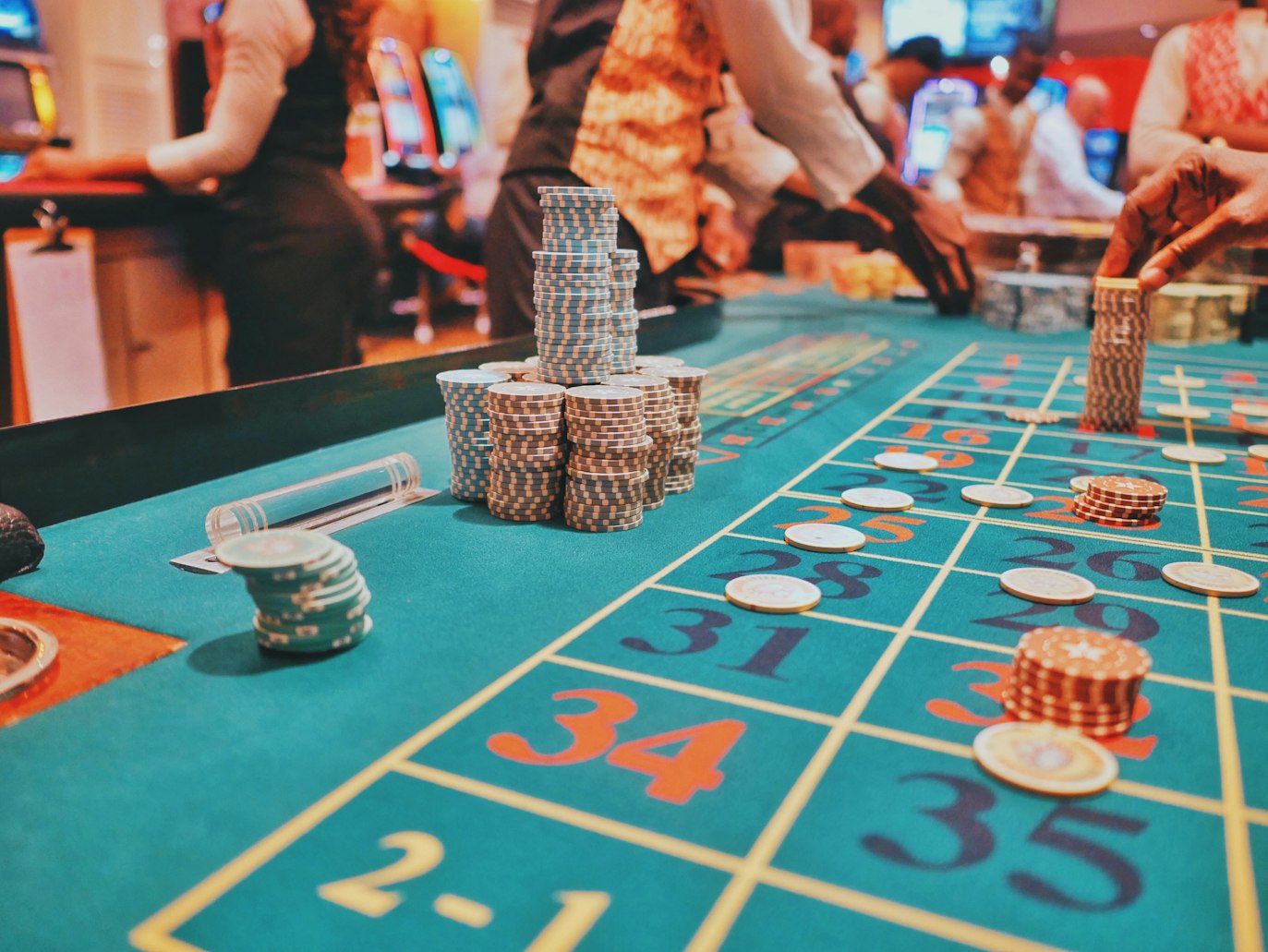
Sound plays a crucial role as well. The sounds of machines dinging or the cheers from winning players create a symphony of excitement that resonates throughout the casino. This auditory stimulation keeps players engaged and encourages them to partake in the action. The blend of exhilarating sounds and visually captivating displays forms a sensory experience that subtly conditions players to associate the environment with enjoyment and reward.
Moreover, the layout of gaming floors is meticulously planned. Casinos often feature open spaces that allow for easy movement between games, encouraging players to explore new machines or tables. This design fosters a sense of freedom, but paradoxically keeps players trapped in the gaming environment longer. By making it easy to move from one game to another, casinos increase the likelihood of extended play sessions, reinforcing a cycle of play that can be hard to break.
Reward Systems and Incentives
Reward systems within casinos are carefully crafted to leverage psychological principles, providing incentives that keep players returning. Many casinos employ loyalty programs that offer points for every dollar wagered. These points can be redeemed for various rewards, including free meals, accommodations, or even cash back. The prospect of rewards creates a sense of motivation, compelling players to continue gambling to collect more points, even when they may have reached their initial spending limit.
Casinos also use the concept of intermittent reinforcement to enhance the gaming experience. This psychological strategy means that players receive rewards at unpredictable intervals, making the payouts feel more thrilling. This unpredictability keeps players on the edge of their seats, as they anticipate the next win. The excitement of potentially hitting a jackpot or receiving a free spin keeps the adrenaline flowing and encourages continued participation, even during losing streaks.
In addition to tangible rewards, the social aspect of gambling can also be a significant motivator. Many games are designed to be played in groups, which fosters camaraderie and competition. Players may feel encouraged to return to the casino not only for the chance to win but also for the social interaction that accompanies gaming. This blend of rewards, community, and entertainment deeply intertwines with psychological principles that make the casino experience compelling.
Behavioral Cues and Triggers
Casinos are adept at using behavioral cues to maintain player engagement. One common tactic is the use of near-miss scenarios, where players almost win but ultimately lose. These situations can create a heightened sense of excitement and encourage players to keep playing in the hopes of achieving success. The psychology behind near-misses is rooted in the belief that success is just within reach, perpetuating a cycle of play that can be difficult to exit.
Additionally, many slot machines and table games are equipped with visual and tactile cues that trigger a desire to play more. The touch of buttons, the spin of the reels, or the sound of chips being placed can create a sensory stimulus that reinforces the gaming behavior. Players often develop a habitual response to these cues, making it hard to resist the temptation to play, as the brain associates these actions with the thrill of potential winnings.
The strategic use of placement and visibility also influences player behavior. High-traffic areas of casinos are often populated with the latest machines or games that offer larger jackpots. This positioning creates a sense of urgency for players to try them out, even if they hadn’t planned to play at that moment. The psychology behind this is that people are naturally drawn to what they perceive as the “hottest” or most rewarding options, pushing them to engage with gambling more frequently.
The Role of Losses and Gambling Fallacies
Another psychological factor that casinos capitalize on is the concept of loss aversion. Players tend to remember their losses more vividly than their wins, which can influence their continued engagement with gambling. Many players believe that they are “due” for a win after a series of losses, driving them to gamble further in the hope of recouping their losses. The perception that they are on the brink of a substantial win keeps players entangled in a cycle of betting that can lead to significant financial consequences.
Gambling fallacies, such as the gambler’s fallacy, also play a role. This belief suggests that past events will influence future outcomes, leading players to engage in irrational betting behaviors. For example, if a player has lost multiple rounds, they may believe that they are more likely to win in the next round. Casinos capitalize on these misconceptions by ensuring that games maintain an element of unpredictability, allowing players to cling to their erroneous beliefs and continue gambling.
Furthermore, the emotional rollercoaster created by gambling—oscillating between hope and disappointment—can reinforce addictive behaviors. The highs of winning, coupled with the lows of losing, contribute to a compelling psychological experience that can be difficult to resist. This emotional intensity, carefully orchestrated by casinos, contributes to a cycle of behavior that leads many players to prolong their time gambling, regardless of the consequences.
Your Next Steps in Understanding Casino Psychology
Understanding the psychology behind casino design and the strategies employed to keep players engaged can empower individuals to make more informed decisions about their gambling habits. Knowledge is a powerful tool that can help players recognize when they are being influenced by psychological triggers and cues. By being aware of these tactics, players can cultivate a more mindful approach to gambling, ensuring they enjoy the experience without falling victim to manipulation.
It’s important to remember that while casinos are designed to entertain and engage, the responsibility ultimately lies with the player. Setting limits on time and spending habits can be crucial in maintaining a healthy relationship with gambling. By recognizing the psychological techniques at play, individuals can develop strategies to resist the urge to chase losses or succumb to the excitement of the environment.
For anyone looking to explore more about the intersection of psychology and casino experiences, numerous resources are available that delve deeper into these concepts. Understanding the techniques employed by casinos is not only fascinating but can also empower you to make choices that prioritize entertainment and well-being over potential pitfalls.